We provide 24/7 client support for all acoustic solutions, addressing queries, guidance, and service needs anytime, ensuring complete satisfaction.
Envirco Solutions - Architectural Acoustics Treatments & Noise Pollution Control Solution
We'are Open: Mon - Sat 9:00 - 19:00

- 24/7
Customer Service
- ISO 9001
Certification Company
- Qualified
Expert Professional

Ceiling Acoustic Panel Solutions for Offices, Auditoriums & Commercial Spaces
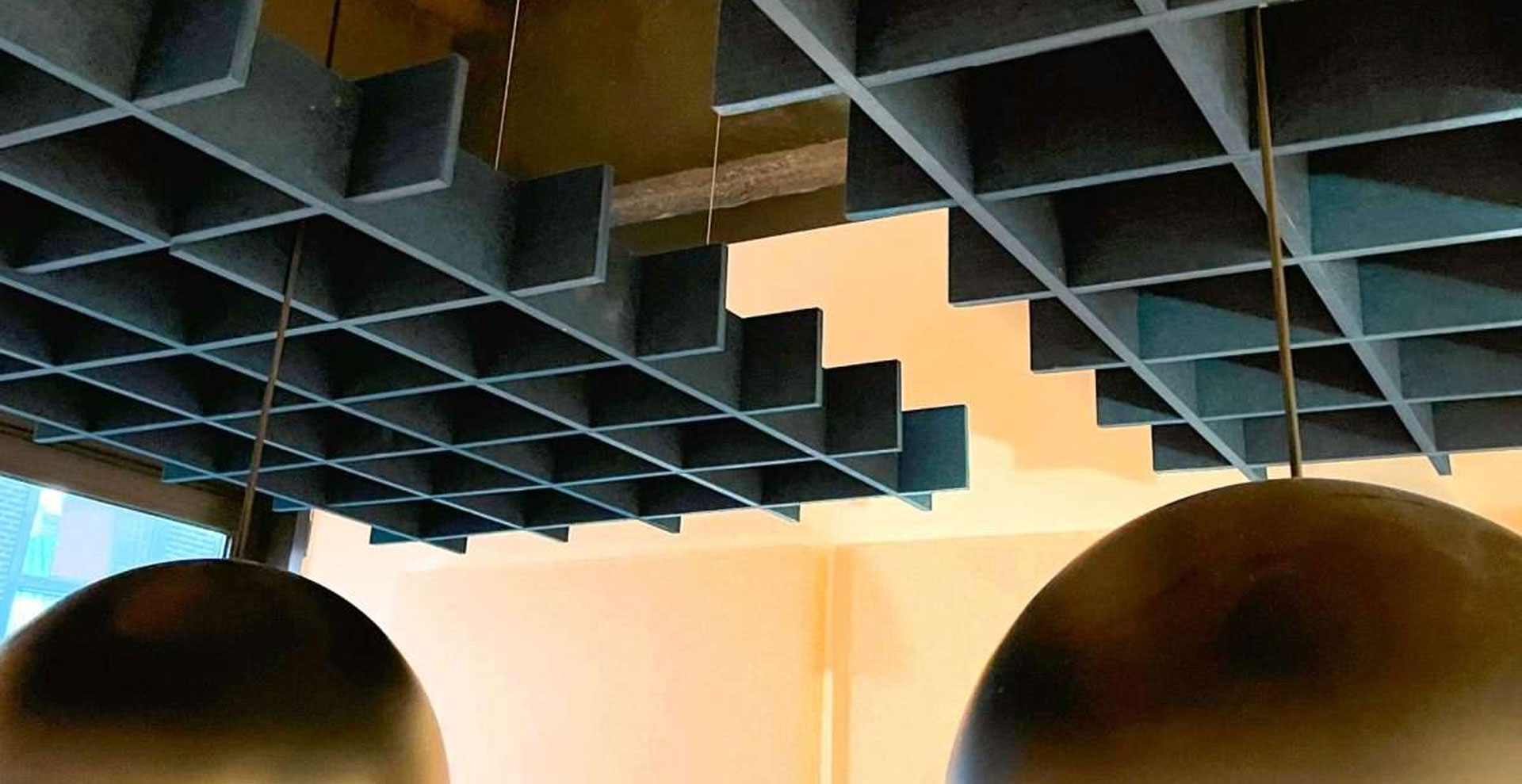
Ceiling Acoustic Panel Solutions for Offices, Auditoriums & Commercial Spaces
Modern interiors often combine open layouts, glass partitions, exposed ceilings, concrete surfaces and other hard finishes. While these elements can create attractive and functional spaces, they can also cause sound to reflect repeatedly within a room, resulting in excessive reverberation, echo and reduced speech clarity.
Ceiling acoustic panel solutions provide an effective way to address these acoustic challenges by introducing sound-absorbing surfaces at ceiling level. Properly selected and positioned acoustic ceiling panels can help control reflected sound, reduce excessive reverberation and create a more comfortable acoustic environment for occupants.
Envirco Solutions provides acoustic ceiling solutions for offices, conference rooms, auditoriums, educational institutions, hospitality spaces, healthcare environments, studios and other commercial interiors. The appropriate solution can be selected according to room size, ceiling height, interior finishes, acoustic requirements and the overall design of the space.
If you are looking for the fundamentals first, read our guide to the benefits of ceiling acoustic panels before selecting a suitable acoustic treatment for your project.
What Are Ceiling Acoustic Panel Solutions?
Ceiling acoustic panel solutions are systems designed to introduce sound-absorbing materials at or below the ceiling surface. Their primary purpose is to manage reflected sound energy and excessive reverberation within an enclosed space.
Unlike soundproofing systems that are primarily intended to limit sound transmission between spaces, acoustic ceiling treatment focuses on the acoustic environment within a room. This distinction is important when planning an office, auditorium, classroom, conference room or other space where speech clarity and acoustic comfort are priorities.
Depending on the project, acoustic ceiling treatment may include directly mounted panels, suspended panels, floating acoustic elements, decorative ceiling systems or other configurations selected according to the ceiling structure and required acoustic coverage.
The acoustic performance of a ceiling system depends on factors such as the material, panel thickness, exposed surface area, mounting method, spacing and overall room characteristics. For this reason, ceiling treatment should be selected as part of the wider acoustic design rather than as a one-size-fits-all product.
Why Ceiling Acoustic Treatment Is Important
In a room with predominantly hard surfaces, sound energy can reflect from ceilings, walls and floors. Multiple reflections can increase reverberation and make speech more difficult to understand, particularly when several people are speaking or when presentations, meetings or announcements are taking place.
A properly planned acoustic ceiling solution can help absorb a portion of these reflections before they continue to travel throughout the room. This can contribute to better speech intelligibility and a more controlled acoustic environment.
Ceiling treatment can be particularly useful where wall space is limited because of glass partitions, furniture, doors, displays or other interior elements. Treating the ceiling provides another surface for introducing sound absorption without significantly reducing usable wall or floor area.
For larger or more acoustically demanding interiors, ceiling panels can also be integrated with wall-mounted and suspended acoustic treatments to create a more comprehensive acoustic strategy.
Ceiling Acoustic Panel Solutions for Different Spaces
Acoustic Ceiling Solutions for Offices
Open-plan offices, meeting rooms and collaborative workspaces can contain multiple simultaneous sound sources, including conversations, telephone calls, meetings and general workplace activity. Reflections from hard ceilings and other surfaces can increase background reverberation and affect communication.
Acoustic ceiling panels for offices can help control reflected sound and create a more comfortable environment for meetings, focused work and collaboration.
Depending on the layout, ceiling treatment can be used together with acoustic wall panels, partitions or other sound-absorbing elements to provide balanced coverage across the workspace.
Ceiling Acoustic Solutions for Conference & Meeting Rooms
Conference rooms require clear communication between participants, whether meetings are conducted in person or through video conferencing systems. Excessive reverberation can affect how clearly speech is heard and recorded.
Ceiling acoustic panels can help reduce unwanted sound reflections and contribute to a more controlled acoustic environment. The final configuration should consider the room dimensions, ceiling height, table position, wall finishes and other sources of reflection.
Acoustic Ceiling Treatment for Auditoriums
Auditoriums, lecture halls and large presentation spaces often have substantial room volumes and extensive hard surfaces. Without suitable acoustic treatment, sound can continue reflecting throughout the space and create excessive reverberation.
Ceiling acoustic solutions for auditoriums can form part of a broader acoustic treatment strategy designed to manage reflected sound and support speech clarity.
For large spaces, ceiling panels may be combined with acoustic hanging baffles and acoustical hanging clouds to provide additional sound-absorbing surfaces at different levels within the room.
Acoustic Ceiling Panels for Educational Spaces
Classrooms, training rooms, lecture spaces and educational facilities require an acoustic environment where speech can be heard clearly by students and participants. Excessive reverberation can make communication more difficult, particularly in larger rooms.
Ceiling acoustic panels can help control reflected sound and support a more comfortable learning environment. The appropriate solution depends on room size, occupancy, ceiling construction and the required level of acoustic treatment.
Acoustic Ceiling Solutions for Hospitality & Commercial Interiors
Hotels, restaurants, cafés, reception areas and other hospitality environments often use hard flooring, glass, decorative surfaces and open layouts. These finishes can contribute to sound reflections and higher reverberation.
Acoustic ceiling treatment can be incorporated into the interior design to help manage reflected sound while maintaining the visual character of the space.
Types of Ceiling Acoustic Panel Configurations
Ceiling acoustic treatment can be designed in different configurations depending on the architectural requirements and acoustic objectives of the project.
Direct-Mounted Acoustic Panels
Direct-mounted panels are installed against or close to the ceiling surface. They can be considered where maintaining maximum ceiling height is important or where the existing ceiling provides a suitable mounting surface.
Suspended Acoustic Panels
Suspended acoustic panels are positioned below the ceiling using an appropriate suspension system. The additional exposed surfaces and air space around the panels can form part of the acoustic design, depending on the product and installation method.
Floating Acoustic Ceiling Elements
Floating or suspended acoustic elements can be used as visual and acoustic features within larger rooms. Their shapes, arrangement and positioning can be coordinated with lighting, services and interior design requirements.
Decorative Acoustic Ceiling Systems
For projects where aesthetics are an important consideration, acoustic ceiling treatments can be selected in different materials, finishes, colours, shapes and configurations. This allows sound absorption to become part of the overall interior concept rather than appearing as a separate technical element.
Depending on the design, projects may also incorporate wooden acoustic ceiling tiles or other decorative acoustic ceiling systems.
How to Select the Right Ceiling Acoustic Solution
The most suitable ceiling acoustic panel solution depends on more than the appearance of the panel. A successful acoustic design considers the room itself, the existing finishes and the intended use of the space.
Room Size & Ceiling Height
Room volume and ceiling height influence how sound behaves within an interior. Large and high-ceiling spaces may require a different treatment approach from smaller rooms.
Existing Surface Finishes
Glass, concrete, stone, metal, hard flooring and other reflective surfaces can contribute to sound reflections. The amount and location of existing absorptive treatment should therefore be considered before selecting additional ceiling panels.
Required Acoustic Performance
The desired acoustic outcome should be established before selecting the panel type. Depending on the application, the focus may be on controlling reverberation, improving speech intelligibility or creating greater acoustic comfort.
Ceiling Construction & Installation
The existing ceiling structure, available suspension points, services and installation height can influence which acoustic panel configuration is suitable. Installation should be planned according to the specific product and site conditions.
Interior Design Requirements
Acoustic treatment does not have to compromise the appearance of an interior. Panels can be selected according to colour, finish, shape, material and layout so that the acoustic solution complements the architectural design.
Combining Ceiling Panels with Other Acoustic Treatments
A ceiling-only approach may not always provide sufficient acoustic coverage, particularly in large, highly reverberant or acoustically demanding spaces. In such cases, different sound-absorbing treatments can be combined to address reflections from multiple surfaces.
Depending on the project, ceiling acoustic panels can be integrated with:
- Acoustic Wall Panels for additional wall-surface sound absorption
- Fabric Acoustic Panels for sound absorption with a decorative finish
- Acoustic Hanging Baffles for large and high-ceiling spaces
- Acoustical Hanging Clouds for suspended ceiling-level acoustic treatment
- Acoustic partitions and other sound-absorbing interior systems where required
The combination of treatments should be based on the acoustic characteristics and functional requirements of the room rather than simply increasing the number of acoustic products.
Ceiling Acoustic Panel Solutions for Large & High-Ceiling Spaces
High-ceiling interiors can present particular acoustic challenges because sound has a larger volume in which to reflect and reverberate. Auditoriums, atriums, conference halls, reception areas and large open-plan workplaces may therefore require carefully positioned ceiling-level acoustic treatment.
Suspended acoustic elements can provide additional sound-absorbing surfaces while also making use of ceiling space that would otherwise remain untreated. The configuration can be planned according to the room geometry, available ceiling structure and desired visual appearance.
For projects involving significant room volume or complex acoustic requirements, a combination of ceiling panels, hanging baffles, acoustic clouds and wall treatments may provide a more appropriate overall solution.
Ceiling Acoustic Solutions with Interior Design Flexibility
Acoustic performance and interior design can be considered together. Modern acoustic ceiling systems are available in different finishes and configurations, allowing designers to incorporate sound absorption into contemporary commercial and architectural interiors.
Depending on the application, acoustic ceiling elements can be arranged in linear patterns, grouped configurations, suspended layouts or other designs that complement the room's architecture.
This makes ceiling acoustic treatment suitable for environments where both acoustic comfort and visual presentation are important, including corporate offices, hotels, educational buildings, healthcare facilities, studios and premium commercial interiors.
Choosing Ceiling Acoustic Panels for Your Project
There is no single ceiling acoustic panel configuration that is suitable for every room. The correct approach depends on the acoustic problem, room dimensions, existing surfaces, ceiling construction, design requirements and intended use of the space.
Before specifying a solution, consider:
- Room length, width and height
- Existing ceiling and wall finishes
- Amount of glass and other reflective surfaces
- Primary use of the room
- Speech and communication requirements
- Required sound absorption
- Available ceiling mounting conditions
- Desired panel appearance and finish
- Integration with lighting, HVAC and other services
A project-specific approach helps ensure that the selected acoustic ceiling system is appropriate for the actual conditions of the space.
Explore Ceiling Acoustic Panel Products
Once the acoustic requirements and application have been established, the next step is selecting a suitable ceiling panel system. Envirco Solutions offers ceiling acoustic panels for projects requiring sound absorption and improved acoustic comfort in modern interiors.
Explore the product range to review available acoustic ceiling options and determine which system may be suitable for your project requirements.
For a broader understanding of acoustic ceiling treatment, you can also read our detailed guide on the benefits of ceiling acoustic panels.
Frequently Asked Questions
What are ceiling acoustic panel solutions?
Ceiling acoustic panel solutions are sound-absorbing treatments installed at or below ceiling level to help control reflected sound and excessive reverberation within an interior space. They can be designed for offices, auditoriums, classrooms, conference rooms and other commercial environments.
Where can ceiling acoustic panels be used?
Ceiling acoustic panels can be used in offices, meeting rooms, auditoriums, classrooms, training centres, hotels, restaurants, healthcare facilities, studios and other spaces where acoustic comfort and sound control are important.
How do acoustic ceiling panels improve room acoustics?
Acoustic ceiling panels absorb a portion of reflected sound energy, helping to control excessive reverberation and unwanted sound reflections. Actual acoustic performance depends on the panel material, coverage, installation method and characteristics of the room.
Can ceiling acoustic panels be combined with wall panels?
Yes. Ceiling panels can be combined with acoustic wall panels, hanging baffles, acoustical clouds and other sound-absorbing treatments when a broader acoustic treatment strategy is required.
Are ceiling acoustic panels suitable for auditoriums?
Yes. Ceiling acoustic treatment can form part of the acoustic strategy for auditoriums, lecture halls and other large spaces. The appropriate configuration depends on room volume, ceiling height, existing surfaces and the required acoustic performance.
How do I choose the right ceiling acoustic panel solution?
Selection should consider room dimensions, ceiling height, existing reflective surfaces, intended use, required sound absorption, installation conditions and interior design requirements. A project-specific acoustic assessment can help determine the appropriate treatment approach.
Round-the-Clock Client Assistance
Creative Acoustic Designs
We deliver innovative acoustic solutions blending functionality and aesthetics, enhancing sound quality while elevating the visual appeal of any interior space.
Trusted Acoustic Safety
Our acoustic solutions ensure reliable safety, combining high-quality materials and expert installation to reduce noise hazards and protect every environment.